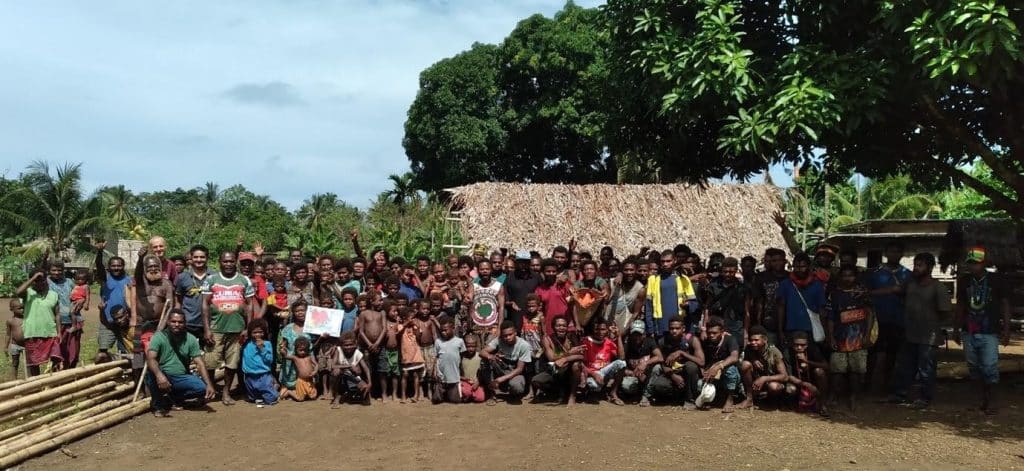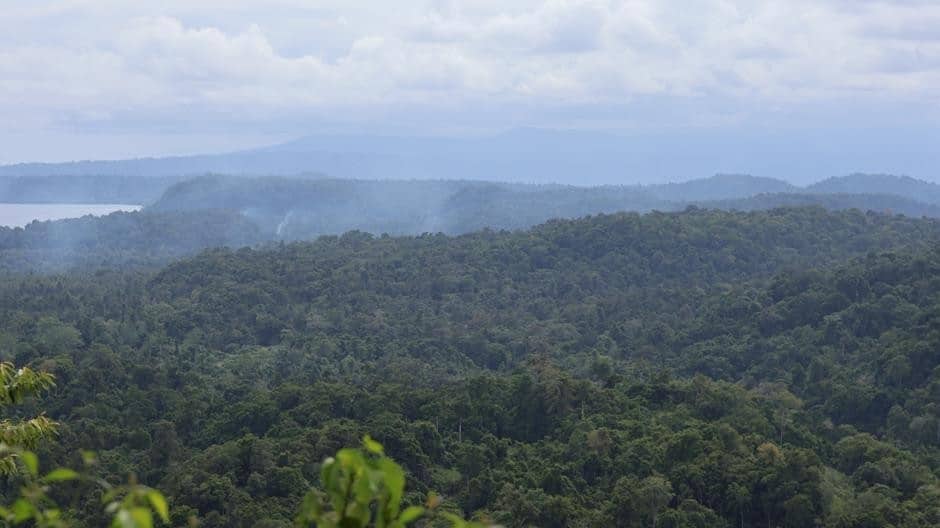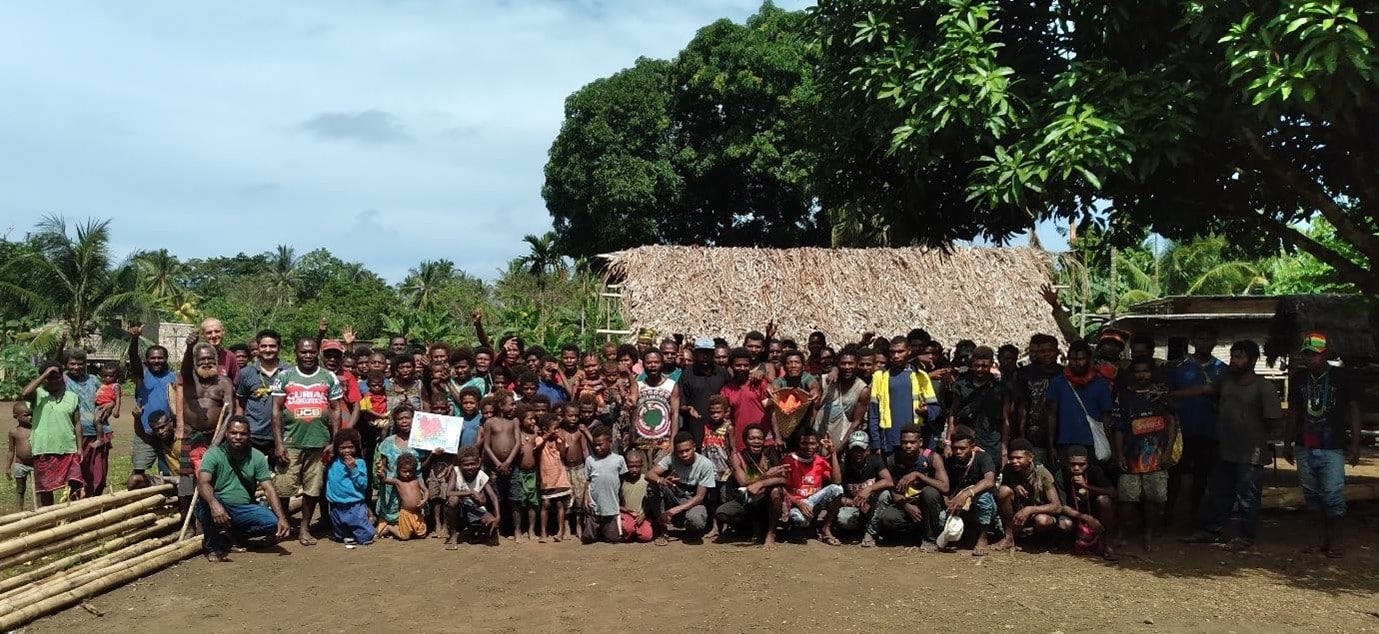
Verra approves Tavolo Community REDD project
On Friday 4th July 2025 the PNG Communities Benefits from Environmental Services Trust (BEST) REDD Tavolo Project, located on New Britain Island in Papua New Guinea, was approved by Verra under their Verified Carbon Standard (VCS) and Climate, Community & Biodiversity Standard (CCBS). This follows a lengthy process of project development and audit review that has been underway since 2019.
The Tavolo Community and project developer NGO FORCERT (Forests for Certain: Forests for Life!) have worked closely with the PNG Climate Change and Development Authority (CCDA) to pilot this model Voluntary Carbon Market (VCM) project for the country. During the project’s trial phase CCDA and UNDP tested the National REDD+ Free, Prior & Informed Consent (FPIC) Guidelines at the Tavolo Community. Both CCDA and FORCERT invested PGK50,000 each to do a field test of the draft National REDD Benefit Sharing & Distribution Guidelines. The community used these funds to purchase roofing iron to kick start their family permanent housing scheme. CCDA made several visits to the community, and in November 2021, a CCDA representative witnessed the signing of the carbon credit project agreement between the Tavolo Community Conservation Association (TCCA) and FORCERT.
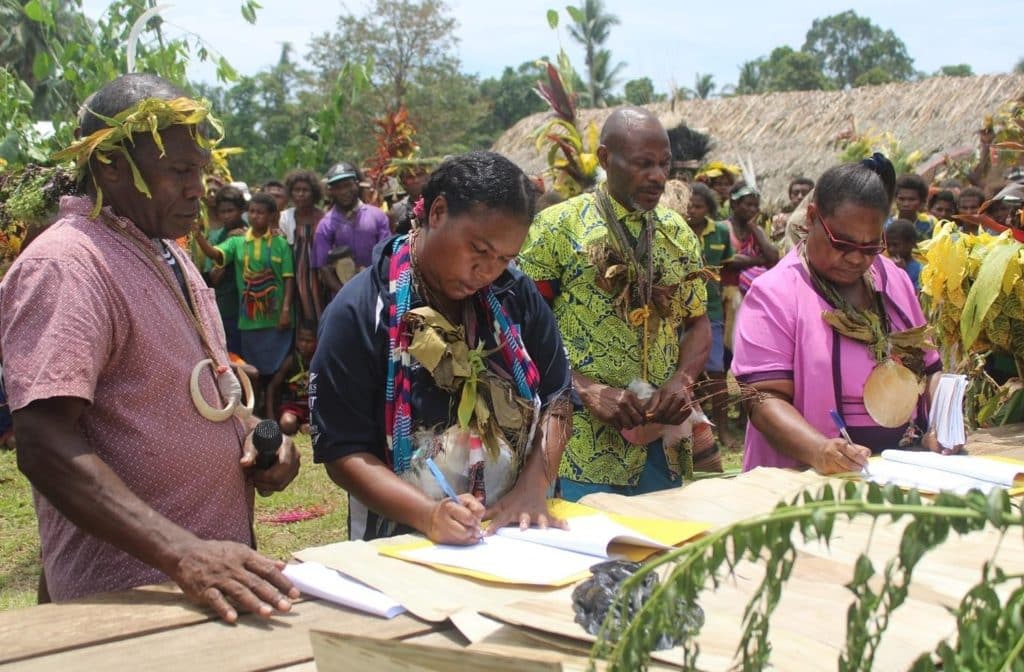
In 2012, CCDA and FORCERT signed an MOU to work together to use the practical experiences gained in the pilot phase and actual project development to inform the development of the National REDD+ Strategy, the Climate Change Management Act (CCMA 2015), and in particular the National REDD+ Safeguard documents.
Full project development became possible after FORCERT teamed up with their technical support partner Face the Future, and secured major pre-financing support from Greenchoice, an energy supplier in The Netherlands. Also, German NGO PRIMAKLIMA supported the project development through pre-purchasing of carbon credits. This financial support has been instrumental in bringing the project to completion, in particular as it allowed continuation of the trial community benefit sharing and completion of the court case needed to reclaim full customary land and natural resource ownership.
Under the project, the Tavolo Community (covering Mukus, Tavolo and Lausus villages) has entered into a 30-year long-term agreement with FORCERT to protect its forest, with an understanding that the long-term financial benefits will strengthen the community’s long-term commitment to sustainably manage its land and natural resources. The community expects that the benefits to be received in this 30-year period will allow it to continue its conservation commitment for future generations. As part of the project’s requirements, the community has done their own High Conservation Values assessment, and developed its Community conservation laws and Sustainable Land Use Plan, covering more than 21,000 hectares.
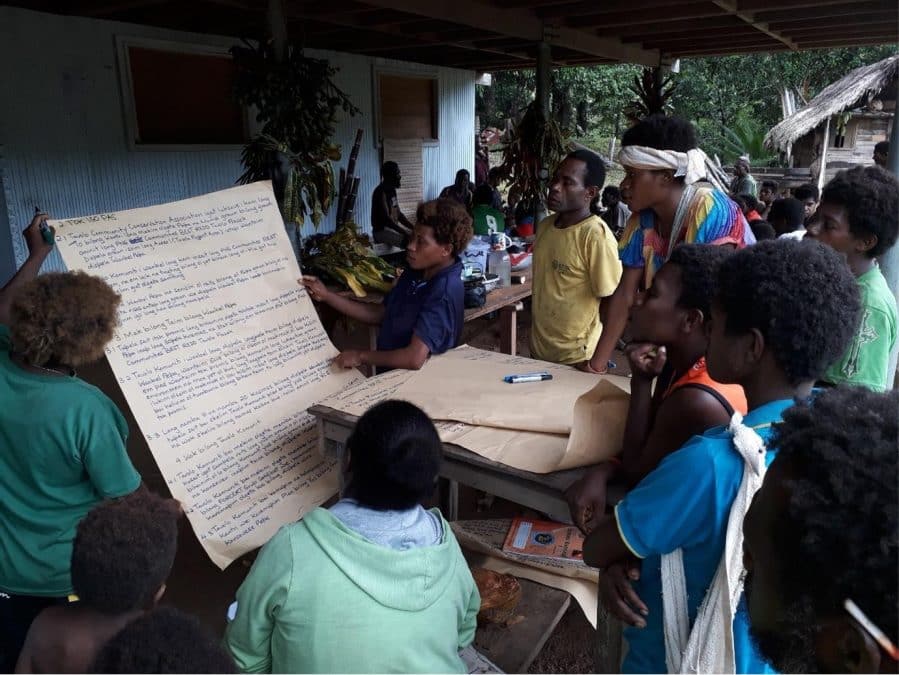
The project agreement states that the Tavolo Community remains the owner of the carbon credits produced under their PNG Communities BEST REDD Tavolo Project, while FORCERT acts as the exclusive sales agent. FORCERT will keep the income generated in trust and share the benefit annually with the Tavolo Community for the 30-year project period.
The benefit sharing will be transparent, with the gross sales income (minus credit issuance fees and any third agent sales fees) to be allocated as follows;
- 15% going to the various levels of Government
- 20% to FORCERT as the Project Developer
- 65% to the Tavolo Community
All project development and management costs are paid from the 20% share for the project developer, except for the community level monitoring, which is the responsibility of TCCA.
The level of benefits to be shared annually will depend on the amount of VCUs sold and the carbon credit sales price, but the share percentages will remain the same.
Another important feature that sets this project apart from other REDD+ projects in PNG, is that it uses an alternative legal construction possible under the CCMA for carbon credit projects, with the 14 landowning clans involved in this project, using an Association as their legal entity, and linking this to their customary land through the singing of a Conservation Deed over their combined Sustainable Land Use Plan area. This innovative arrangement was approved by the PNG State Solicitor’s Office, as per the CCMA.
TCCA and FORCERT’s whole of community approach allows for all clans to jointly develop their participatory Sustainable Land Use Plan (SLUP), catering for all other community land use needs, i.e. food gardens, cash crop areas, etc. and then deciding on the forest area that will be part of their REDD project. It strengthens permanence of Emission Reductions (ER), as all clans are fully engaged and involved, and have full ownership of the project and all its activities at the community level.
This construction avoids the use of Incorporated Land Groups (ILGs). ILGs were at first thought to be a good mechanism for clan registration as the basis for natural resource exploitation agreements with companies. It has since become clear that the many negative aspects of the use of ILGs, even under the amended Land Group Incorporation Act, by far outweigh the positives.
The Tavolo Project officially started in January 2019, with the field audit completed in July 2022. The project is called Avoided Planned Deforestation (APD) project, preventing clearfelling of Tavolo’s forest, which was scheduled to start in 2020. This means that the first issuance of carbon credits for the project will be for the years (vintages) 2020 and 2021 for a total of 741,684 Verified Carbon Units (VCUs). The total amount of VCUs under the project stands at 1,635,951 VCU’s over the 30-year period, meaning an annual average of 54,532 VCUs.
The credits will hold both VCS and CCBS label, and the project also achieved Community and Climate Gold Level, the highest tier of certification within the CCB Standard, awarded to projects that demonstrate exceptional benefits.
TCCA and FORCERT have agreed that sales of carbon credits will only be done to responsible buyers that have assessed their impact on the climate and the environment, using internationally recognised best methods, and that are implementing a plan to minimise their impact through all possible means. This is specified in the FORCERT Carbon credit sales policy, which states that credit buyers need to have independently verified emission reduction plans, with annual progress reporting, showing that they are serious in reducing their climate change impact.
FORCERT also demands price transparency from its credit buyers, so that the Tavolo Community is aware of the price the end user has paid, and knows they are receiving the largest share of the value of their credits. The Tavolo Community and FORCERT are very pleased to share this milestone achievement for REDD+ implementation in the country. They thank the CCDA for their guidance and support and are looking forward to continue working with them to use this model project as the best practice example for all other carbon credit projects involving customary landowners in PNG.